
Understanding Endometriosis: Causes, Symptoms, and Natural Support

Endometriosis affects an estimated 1 in 10 women of reproductive age, yet many go years without a proper diagnosis. At our clinic, we meet women who have struggled silently with pelvic pain, irregular cycles, fertility challenges, or fatigue—only to later discover that endometriosis was the root cause.
In this post, we’ll break down what endometriosis is, how it’s diagnosed, and what options are available—including holistic approaches that support healing and quality of life.
What Is Endometriosis?
Endometriosis occurs when tissue similar to the lining of the uterus (endometrium) grows outside the uterus. These cells respond to hormonal changes just like uterine lining does—thickening and breaking down with the menstrual cycle—but since they’re outside the uterus, they have nowhere to go.
This can lead to:
Pelvic pain (especially around menstruation)
Painful periods (dysmenorrhea)
Pain during intercourse
Heavy or irregular bleeding
Digestive discomfort (bloating, constipation, diarrhea)
Fatigue and low energy
Fertility challenges
Why Does Endometriosis Happen?
The exact cause isn’t fully understood, but research suggests a combination of factors:
Hormonal imbalances — excess estrogen can drive growth of endometrial tissue.
Immune system dysfunction — the body may fail to clear endometrial cells outside the uterus.
Genetics — women with close relatives who have endometriosis are at higher risk.
Inflammation — chronic inflammation worsens pain and disrupts healing.
From a Traditional Chinese Medicine (TCM) perspective, endometriosis is often linked to:
Qi and Blood Stagnation → pain, clotting, dark menstrual blood.
Cold in the Uterus → cramps that improve with heat.
Liver Qi Stagnation → mood swings, irritability, PMS symptoms.
How Is Endometriosis Diagnosed?
Diagnosis often takes years because symptoms can overlap with other conditions. Common steps include:
Reviewing menstrual history and symptoms.
Pelvic exam and ultrasound (though small lesions may not show).
Laparoscopy (a minimally invasive surgery) — considered the gold standard for confirmation.
Treatment Options
Conventional Medicine
Pain management (NSAIDs, hormonal therapy, birth control pills, IUDs).
Surgery (laparoscopy to remove lesions).
Fertility support if pregnancy is a goal.
Complementary & Natural Support
At our clinic, we focus on integrative approaches to ease symptoms and support long-term wellness:
Acupuncture — reduces pain, improves circulation, and balances hormones.
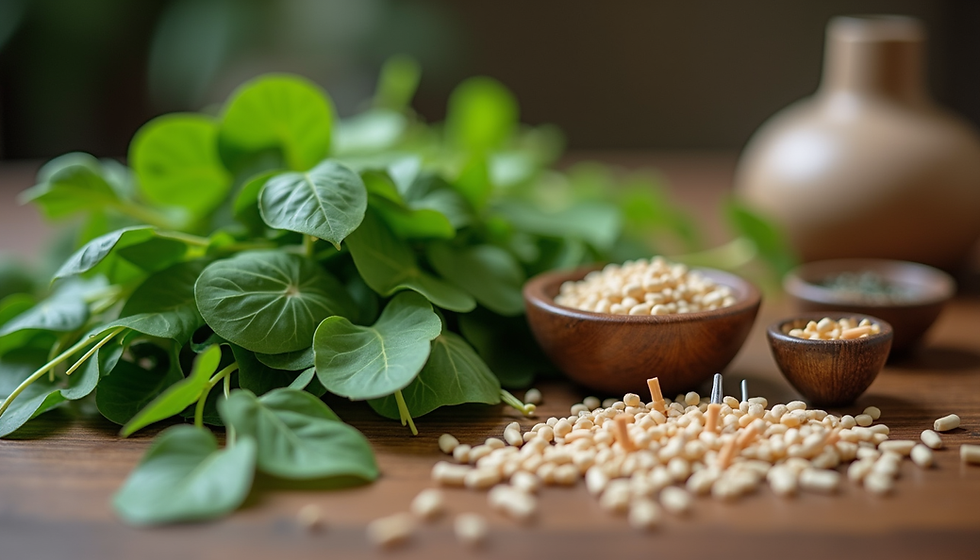
Herbal medicine — custom formulas to move Qi and Blood, reduce inflammation, and regulate cycles.
Nutrition therapy — anti-inflammatory diet rich in leafy greens, omega-3s, and whole foods. Limiting dairy, alcohol, caffeine, and highly processed foods may reduce flare-ups.
Lifestyle rituals — gentle movement (yoga, walking), stress reduction (breathwork, meditation), and adequate rest all help regulate hormones and reduce pain.
Living Well with Endometriosis
Endometriosis is a chronic condition, but it doesn’t define you. With the right combination of medical care and holistic support, many women find lasting relief and improved quality of life.
If you suspect you may have endometriosis—or if you’ve been struggling with painful, heavy, or irregular cycles—know that you don’t have to navigate this alone.
📍 Our clinic specializes in women’s health, fertility, and integrative care. We create personalized treatment plans combining Traditional Chinese Medicine with modern insights to help women restore balance, manage pain, and feel empowered in their healing journey.
Next step: If you’re looking for natural support for endometriosis, book a consultation with us today. Together, we can explore options to restore comfort and balance


Comments